
Higher energy prices push May price index up 4.2%
Pushed primarily by higher energy prices, inflation roared back in May, with the Consumer Price Index (CPI) for all consumers rising 4.2% in the last year. It was the biggest inflation gain in three years. The May jump in overall prices followed a 0.6% year-over-year increase in April.
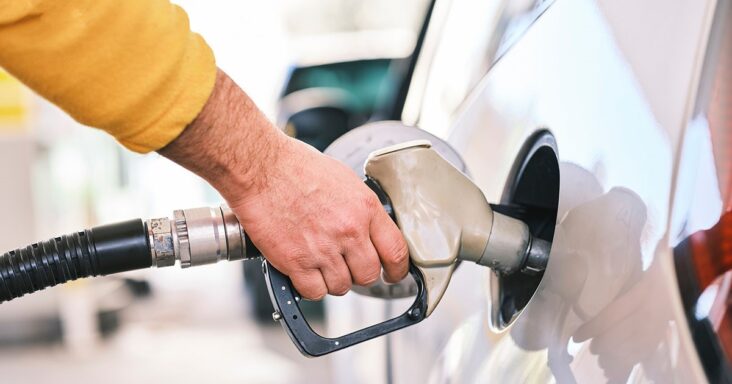
The U.S. Bureau of Labor Statistics (BLS) reported Wednesday (June 10) that the energy component of the CPI rose 3.9% in May after rising 3.8% in April and jumping 10.9% in March. The energy index increased 23.5% for the 12 months ending May, and the food index increased 3.1% over the last year.
The ongoing war with Iran pursued by the Trump Administration has resulted in oil supply concerns and shortages in some parts of the globe. Oil prices, now around $80 a barrel, were as low as $60 a barrel prior to the Feb. 28 attacks on Iran by U.S. and Israeli forces.
According to the BLS, energy prices represent more than 60% of the total rise in inflation in the May report.
“The index for shelter also increased in May, rising 0.3 percent,” the BLS noted. “The food index increased 0.2 percent over the month as the food at home index rose 0.1 percent and the food away from home index increased 0.3 percent.”
Greg Kaza, an economist and executive director of the Arkansas Policy Foundation, said the May report is well above the 2% target rate preferred by the U.S. Federal Reserve. Inflation above the 2% target typically results in the Fed holding or raising interest rates.
The BLS noted price increases were also seen with airline fares, medical care, personal care, and recreation. Airlines for America, the trade group representing the commercial airline industry, said in May the industry was taking several steps to reduce the impact of higher fuel prices and avoid significant rises in airline tickets. Some of the actions include reducing the number of flights on some routes, grounding or retiring less fuel-efficient aircraft, cutting lower-margin routes, and increasing fees for checked bags. The trade group reports that fuel is 21% of U.S. airlines’ operating cost.
“U.S. airlines are currently eating most of the increased cost of jet fuel as they work to keep fares competitive for consumers and meet the summer demand,” A4A President and CEO Chris Sununu said in a May press release.
The trade group reported that a Deutsche Bank analysis from April projects airlines will face an $8.4 billion “hit” in 2026 even with attempts to mitigate an estimated $24 billion higher fuel bill.
“The frustration for many Americans is that so many of the basics are up in price right now – gas, food, electricity, and medical care are all clear pain points that are above 3% inflation,” Heather Long, chief economist at Navy Federal Credit Union, noted in a report. “Ending the war in Iran will help to moderate inflation, but the worst is likely still to come for rising food prices.”
Areas with price declines in the May report included motor vehicle insurance, household furnishings, and new vehicles.