
Mercy Fort Smith ‘evaluating’ L&D services response; touts community investments
by April 1, 2026 5:59 pm 909 views
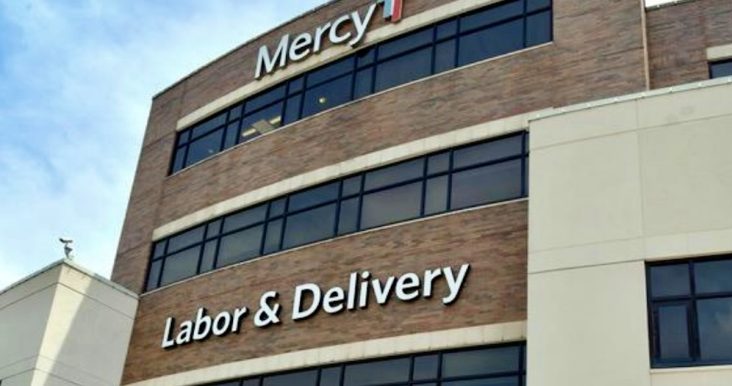
Mercy Fort Smith is “actively evaluating” how it will respond to what could be an influx of patients needing labor and delivery services when Baptist Health-Fort Smith, the only other hospital in the city, ends the critical care service on April 28.
Little Rock-based Baptist Health said it will close the labor and delivery operation and end obstetric services at its Fort Smith hospital on April 28. The closure will result in the loss of around 40 jobs, with the hospital saying it now has about 20 births a month.
Ryan Gehrig, president of of Mercy Fort Smith Communities, said the hospital is working with “regional partners” and others to best determine how to respond to the presumptive reduced regional access to labor and delivery services.
“Mercy is aware of Baptist Health’s plans to end its labor and delivery services and is actively evaluating what that could mean for maternity care access in our region,” Gehrig noted in a statement provided to Talk Business & Politics. “As with any potential change in community health care needs, our clinical and operational leaders are reviewing current capacity and monitoring trends to ensure we can continue to provide safe, high-quality care for mothers and babies.”
Mercy Fort Smith reported a record 3,006 deliveries in 2025, more than eight per day, which was up from 2,910 in 2024.

“While it is too early to speculate how patient volumes may shift, we routinely assess staffing, space and equipment to align with community demand,” Gehrig said. “We will continue to work closely with physicians, regional partners and community leaders as more information becomes available. At this time, we’re focused on thoughtful planning and maintaining seamless care for the families who depend on us.”
AN OPEN LETTER
Mercy Fort Smith on Wednesday (April 1) issued an “Open Letter to the Residents of the River Valley” from Gehrig. The letter focused on the “significant investments” the St. Louis-based hospital system has made in the Fort Smith metro in recent years.
Following are the expansions and investments Gehrig noted in his open letter.
• Orthopedic Hospital
Built in 2014, it now supports 17 physician specialists and seven physician assistants, including orthopedic surgeons, fellowship-trained foot and ankle clinicians, podiatry, sports medicine and pain specialists.
• Primary Care Expansion
Five new clinics constructed in Fort Smith and one in Greenwood, in addition to numerous new regional clinic locations. Mercy has 46 primary care physicians and 40 advanced practitioners in the region, with more to come, according to Gehrig.
• Cooper Clinic Integration
The clinic was acquired by Mercy in 2018, with integration of more than 90% of “the Cooper team,” according to Gehrig.
• Graduate Medical Education
In partnership with the Arkansas College of Osteopathic Medicine, Mercy established internal medicine, family medicine and transition year programs, with a total of 81 residents training in Fort Smith.
• Rehabilitation Hospital
Opened in May 2021, this 50-bed inpatient facility on the Arkansas College of Health Education campus provides rehabilitation care while freeing up much needed inpatient capacity at the main campus.
• Emergency Department and Intensive Care Unit expansion
A $186 million investment added 64 modern ICU beds and increased ER capacity from 29 to 50 beds.
• Cancer Care Expansion
In partnership with the Cherokee Nation, broke ground in 2025 on a almost $50 million expansion to meet growing oncology demand and enhance patient experience.
Gehrig also noted in the letter that new program and centers include wound care, a sleep disorder center, and a breast center.
“While we are proud of this progress, we recognize there is still considerable work ahead, and we will be here to accomplish it together,” Gehrig noted. “Comprehensive plans are underway to address the need for additional physicians, caregivers, expanded space, improved access and enhanced overall patient experience.”
He also said Mercy is working on digital methods to reduce the number of people making emergency room visits.
“Currently, approximately 25% of the patients visiting our emergency room could receive faster, equally effective and lower cost care in alternative settings,” he said. “To support this shift, Mercy is actively rolling out digital options that deliver a simpler, real-time response around the clock.”