
Record low cotton and rice acres projected in Arkansas; soybeans surge
by April 1, 2026 6:10 pm 515 views
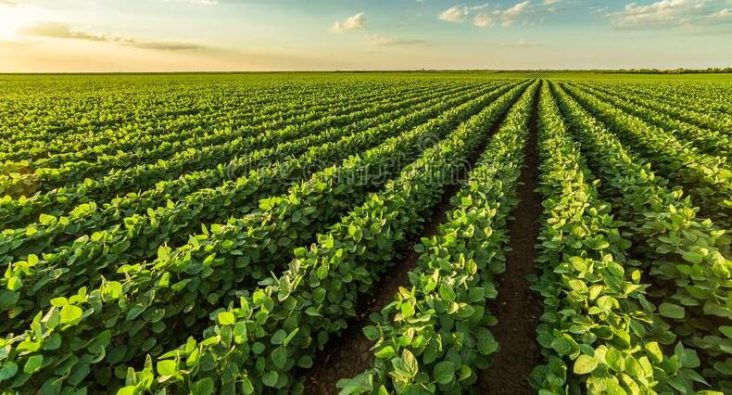
Corn acres are projected to plummet in Arkansas, while soybean acres are set to surge, according to the U.S. Department of Agriculture’s (USDA) latest “Prospective Plantings” report. Arkansas farmers will plant 3.1 million acres of soybeans, a 20% jump from last year, the report states. Corn acreage will be down by 27%.
About 470,000 cotton acres will be planted, a 10% decline from 2025. Rice acres are projected to drop by 30% to 900,000 acres. The report notes that the surveys used were taken from producers in early March when the full impacts of the war with Iran and the shutdown of the Strait of Hormuz were not fully known.
Nearly 20% of the world’s oil moves through the strait each day and many other farm inputs such as fertilizer move through it as well. Oil, gas and fertilizer prices have skyrocketed during the last month.
“Prior to March 1, I would have thought corn acres to be flat, maybe slightly lower,” said Scott Stiles, extension economics program associate for the University of Arkansas System Division of Agriculture. “However, nitrogen costs have jumped about 30% this month. This hasn’t helped the margins for cotton and rice either. With or without the Mideast conflict, it appeared rice and cotton acres were headed down to historically low levels anyway.”
Planting is underway across the Natural State. The USDA’s National Agricultural Statistics Service has reported that Arkansas farmers had 9% of corn planted, with rice and soybeans each at 1%.
How are diesel and fertilizer spikes impacting farm decisions?
“That is all they are talking about,” said Kevin Lawson, Faulkner County extension agent for the Division of Agriculture. “It is the hot topic with row crop and forage producers. Urea hit $800 a ton at our co-op last week. Our rice acres will be way down this year.”
Farmers are also dealing with extreme drought in much of the state, although the National Weather Service predicts rain throughout Arkansas later this week and into the weekend.
“There has been a lot of farming activity since the end of last week,” said Jeremy Ross, soybean extension agronomist for the Division of Agriculture. “I don’t have a very good feeling starting out the year with most of the state in a drought. The long-term forecast predicts warmer than normal temperatures, and precipitation is normal to below normal. Farmers that use above ground irrigation are already behind. Many reservoirs have lower-than-normal levels without much rainfall this winter. It could get ugly this summer if they run out of water to irrigate.”
Jarrod Hardke, extension rice agronomist for the Division of Agriculture, said a lack of water could have serious, long term ramifications.
“Things are going from bad to worse, but somehow that description doesn’t do the situation justice,” Hardke said. “I feel like we have been grasping at straws trying to guesstimate how acres would shake out, and now with these latest rounds of issues, it seems last-minute decisions are being made amid the tailspin. The question for rice acres has become, ‘Just how low will acres go?’ Achieving 1 million acres is off the table, so that will be the first time since 1983 that’s happened. But now it’s a question of whether we’ll even see 900,000 acres. 1977 was the last time we didn’t get there.”
Cotton and peanut planting are still weeks away, but Zachary Treadway, extension agronomist for both crops, said the National Cotton Council survey has already come back, and it predicts historic lows for cotton acreage.
“If the predicted acreage comes to fruition, we could be looking at the second-lowest recorded acreage of all time,” he said. “With prices lingering in the 60s in cents-per-pound and rising nitrogen prices, I do not expect a positive change to that prospective number.”
There is one bright spot, however, Treadway said.
“I do have hope for an increase in peanut acreage,” he said. “I foresee some cotton ground going into peanuts, and especially since that crop doesn’t need supplemental nitrogen.”
Treadway said that change might mean somewhere around 50,000 acres for peanuts in Arkansas, but growers are still contemplating what to do.