
UAMS receives $2.9 million to study fetal alcohol spectrum disorders
by June 22, 2026 8:19 pm 156 views
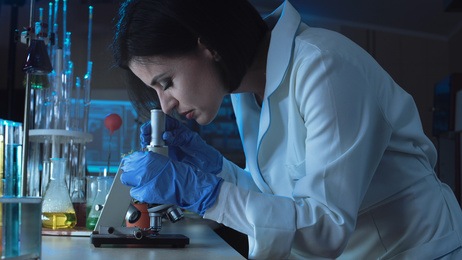
The University of Arkansas for Medical Sciences (UAMS) has received a $2.9 million federal grant to study fetal alcohol spectrum disorders (FASD) and associated neurologic aftereffects, with the goal of discovering new treatments and preventions.
This research aims to prevent disability and life-changing conditions that negatively impact our youngest patients.
Paul Drew, Ph.D., professor and chair of the UAMS College of Medicine Department of Neuroscience, will lead the study, which is funded by the National Institutes of Health for five years, through 2030.
Drew will be collaborating with Ania Majewska, Ph.D., a professor at the University of Rochester Medical Center in New York, and Fang Zheng, Ph.D., a professor in the Department of Neuroscience at UAMS.
FASD includes a wide range of physical, behavioral, and cognitive impairments that are caused by alcohol exposure during pregnancy. They cause neurological deficits in almost 5% of children born in the United States, resulting in long-term disabilities.
“This NIH grant will allow us to better understand how alcohol damages the fetal brain and could lead to new treatments for FASD,” Drew said.
People with FASD may experience difficulties with learning and memory, understanding and following directions, switching attention between tasks, controlling emotions and impulsivity, communicating and developing social skills, and performing daily life skills including feeding, bathing, counting money, telling time, and minding personal safety. They may also experience depression and anxiety.
“Our studies indicate that alcohol damages cells that produce a substance called myelin, which is critical for communicating information within the brain,” Drew said. “It is hoped that by protecting these myelin producing cells, we can protect babies from the devastating effects of alcohol.”