
Retail imports slow, Walmart CFO talks war-related uncertainty, tariffs
by April 9, 2026 11:58 am 890 views
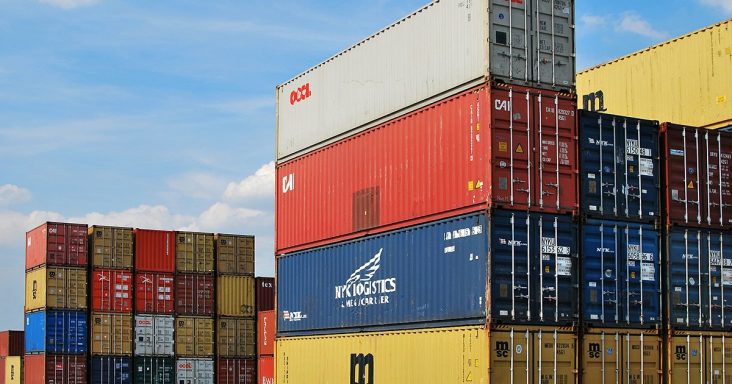
U.S. retail cargo imports in February totaled 1.95 million containers, down 7.5% from January, and excluding data from the Port of New York. Container cargo was down 4.2% year over year, according to the National Retail Federation (NRF) and Hackett Associates.
Hackett expects March import volume to be 1.97 million containers, down 8.3% from a year ago. April is forecast at 2.08 million containers, down 5.6% year over year, before volumes increase in May to 2.09 million containers, up 7.3% from a year ago.
Hackett reports import volume at major U.S. container ports is not being significantly affected by the war in Iran, but ocean carriers are seeing a related increase in fuel costs that could eventually affect retailers and their customers.
“Just because retailers don’t import a lot of merchandise from the Middle East doesn’t mean the U.S. supply chain isn’t affected by the turmoil there,” said Jonathan Gold, NRF vice president for supply chain and customs policy. “The supply chain is global and disruptions anywhere along it can have ripple effects, whether it’s rerouting of vessels, equipment out of position, higher fuel costs for shippers or rising gas prices that leave less money in consumers’ pockets.”
Gold said retailers are monitoring the situation and working with transportation partners to minimize any impact.
Retailers continue to face rising tariffs and continued trade policy uncertainty that put downward pressure on imports and upward pressure on prices. President Donald Trump last month announced a temporary 10% global tariff under the Trade Act of 1974 after the U.S. Supreme Court ruled that tariffs engaged under the International Emergency Economic Powers Act were illegal. Last week, he adjusted Section 232 tariffs that were imposed last year on imported steel, aluminum and copper and announced new tariffs on pharmaceutical products and ingredients.
Hackett Associates Founder Ben Hackett said blockage of the Strait of Hormuz is driving up the price of fuel for container ships worldwide. At the same time, consumers are paying more for gasoline, he said. In addition, ports in Asia depend on fuel from the Persian Gulf and could see shortages if the war is not resolved soon. It is too soon to assess the impact of the fragile two-week ceasefire announced on Tuesday, he said.
Walmart is the nation’s largest retailer and importer of goods at scale. Walmart Chief Financial Officer John David Rainey said Wednesday the retail giant is positioned well for the overall uncertainty and rising energy prices.
“I don’t want to be dismissive of the macro environment and some of the things that are in the news, but I feel like we’re in a pretty good place right now,” Rainey said. “I monitor closely and look at consumer health, our customers health and members health, and they’re continuing to buy things. I think it’s too early, probably to provide a verdict on the impact of fuel prices, because how high those go and how prolonged that is can certainly have an impact as you get into your cost inputs, like fertilizers and things like that, that can then bleed into food prices. So we’ll keep an eye on that.”
He said there is a direct impact of higher fuel prices on Walmart, which is also the nation’s largest private trucking company by fleet size. There is also the impact as a cost input into food and grains.
“But we’ve been able to manage what is in excess of a $100 million headwind within the levers that we have in this quarter,” he said. “And so I think we’re probably a long way before this bleeds into price increases for us. … So we’re going to continue to try to play offense and gain market share, as we’ve done over the last year, and be aggressive on price where we can.”
Rainey said Walmart will try to absorb the cost increases to the extent it can. But he said if high fuel prices persist for months, prices will rise on some items.
“So we might absorb price increases or tariff increases in one area in order to allow customers to buy more in a different area,” Rainey said. “We consider the basket of items that they buy. I think our teams have done a good job managing that, and I think the environment will be very consistent as we look out over the coming quarters.”
With respect to the billions of dollars Walmart paid in tariffs last year, Rainey said he expects any recovery protocol to be complex and cumbersome. The U.S. Supreme Court ruling that ruled certain tariffs were illegal opened the door for tariff refunds.
“We’ll certainly avail ourselves of the opportunity that we have to get a refund, but I’m not close enough to it to really have a good understanding of how quickly that can take place,” he said. “We effectively kind of absorbed this in our day-to-day business, as we incurred these tariffs last year. And I think the reverse of that would be true right now. It would be recognized in earnings from an accounting perspective should we receive a refund.”