
Electric vehicle numbers down in Crawford, Sebastian counties
by February 11, 2026 12:15 pm 469 views
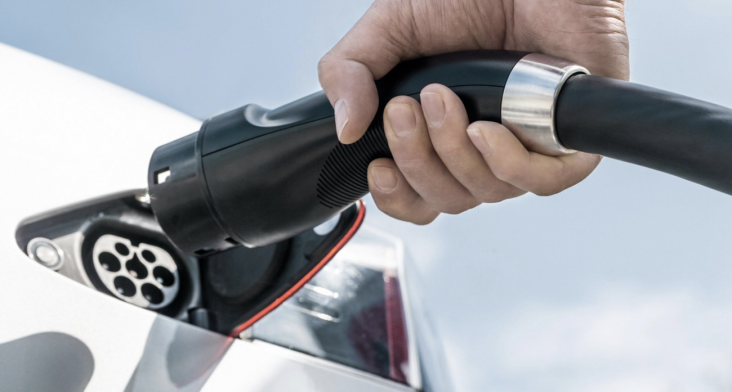
The number of fully-electric vehicles registered in Crawford and Sebastian counties declined in 2025, going against a trend that saw electric vehicle numbers rise almost 25% statewide for the year.
According to figures from the Arkansas Department of Finance and Administration (DFA), Sebastian County ended 2025 with 332 registered fully-electric vehicles (EVs), down 26% compared with 449 at the end of 2024. The number of electric vehicles registered in the county is up 165.6% compared with 125 in 2020.
Crawford County had 149 fully-electric vehicles registered at the end of 2025, down 6.9% compared with 160 at the end of 2024. The number of EVS in the county is up 325.7% compared with 35 at the end of 2020, according to DFA numbers.
The number of EVs registered in Arkansas at the end of 2025 was 11,482, up 24.6% compared with 9,214 at the end of 2024. Northwest Arkansas has more than 40% of the registered EVs in the state. At the end of 2025, Benton County had 3,221 registered EVs, and Washington County had 1,487.
Electric vehicles are still a small percentage of all vehicles in Arkansas. With the DFA reporting 2,851,457 passenger vehicles registered in the state, EVs are just 0.4% of all registered vehicles.
Cox Automotive reports that 1.28 million EVS were sold nationwide in 2025, just below the 1.3 million in 2024. Part of the decline is attributed to a $7,500 federal tax credit that ended in September 2025.
“Recent moves by the current administration suggest less regulatory pressure to improve fuel economy and reduce emissions, leaving growth largely in the hands of automakers and consumers,” noted a Cox report. “Still, Cox Automotive believes EV sales will increase in the long run, and the U.S. market will become more electrified in the coming decade, with product innovation and infrastructure improvements supporting gradual sales growth. The automotive market in the U.S. is more than 100 years old. Change takes time.”
Cox said EV numbers are lower in the U.S. compared with other global markets, noting that EV numbers are historically lower “where EV infrastructure is a patchwork slowly filling in, and political resistance is strong.”