
NWA Women in Business: Hannah McHardy
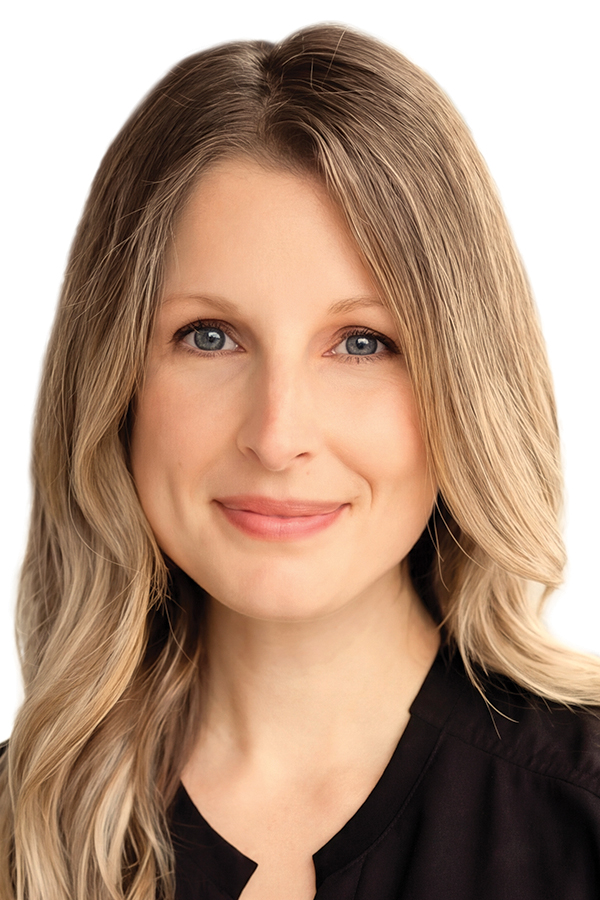
Residence: Bentonville
Education: B.A., 2010, Sterling College; A.S.N., nursing, 2016, State University of New York
Professional background: In her existing position, McHardy leads efforts to improve health outcomes through community-based solutions and system-level change. Rooted in years of bedside experience as a labor and delivery nurse, lactation consultant, and a doula, McHardy’s work is driven by a deep commitment to improving maternal health outcomes across Arkansas by leading programs that expand access to care in rural and underserved communities by addressing both clinical needs and the social drivers of health. She is passionate about bridging the gap between systems and the people they serve, connecting communities to the resources that support lasting well-being.
What was your dream job as a kid, and why? From the time I could open a Band-Aid wrapper, my career path was pretty much sealed. While other kids played house, I was triaging stuffed animals and wrapping my friends in gauze. Looking back, it was less a childhood dream and more an early clinical rotation, which explains why becoming a nurse felt less like a career choice and more like a natural progression of a lifelong obsession with first aid supplies.
What inspired you to pursue the career you are in? Leadership was never part of my plan. I saw myself at the bedside, and I loved it. But after witnessing too many patients fall through the cracks of a struggling system, I knew that caring for people needed to start in communities. The state of maternal health in this country has been the greatest catalyst for me. We have some of the worst maternal health outcomes, and that is simply unacceptable. That has fueled my focus and ultimately to discover that I love leading a team of passionate people.
Who are the key types of people (mentors, sponsors, peers) you keep in your inner circle to help you stay grounded and sharp? I need people who will tell me the truth even when it is uncomfortable, so honest voices are non-negotiable. I lean on peers doing similar work because they push my thinking. Honestly, the women in my inner circle are my greatest source of inspiration — they keep me accountable and remind me every day why this work matters. My mentors tend to be people who have built things, made mistakes, and are willing to talk openly about both.
What advice can you offer to women who want a career in your industry? There has never been a more exciting time to get into this work. Arkansas has created reimbursable roles for community health workers and doulas, which means there are pathways to build a career that changes lives.
But what I really want women to know is that they deserve great care at every stage of life, whether that is pregnancy, postpartum, perimenopause, or the daily work of balancing career and family. You deserve to be listened to and taken seriously, and if that is not happening, it is OK to speak up. Advocating for yourself and the people you love is not being difficult; it is being your own best ally.
How do you take care of yourself and maintain good mental health? I am a work in progress, and I am OK with that. Getting outside with my husband and two boys as much as possible is a non-negotiable for me. Work boundaries do not come naturally to me, but I keep working at it because I know I cannot pour from an empty cup. The irony of someone who works in health and wellness having to actively practice what she preaches is not lost on me.
What is the best leadership advice you have ever received? Stay above the line. “The Oz Principle” concept of accountability changed the way I think about leadership. It is easy to point to broken systems and barriers, but the leaders who move the needle are the ones who ask “What can I do about it?” instead of waiting for someone else to fix it. w
Can you share a time you took a significant career risk? What did you weigh before making that move? For years I kept at least one foot in clinical work. Stepping fully into leadership was humbling. There is a real vulnerability in moving away from something you are good at to do something you are still figuring out. But the thing I kept coming back to was impact. At the bedside I could change one person’s experience at a time, and that is sacred work. But if I wanted to move the needle on systems, I had to be willing to work at a different level, and I am really glad I made that move.