
Online shopping becoming habitual for a majority of consumers
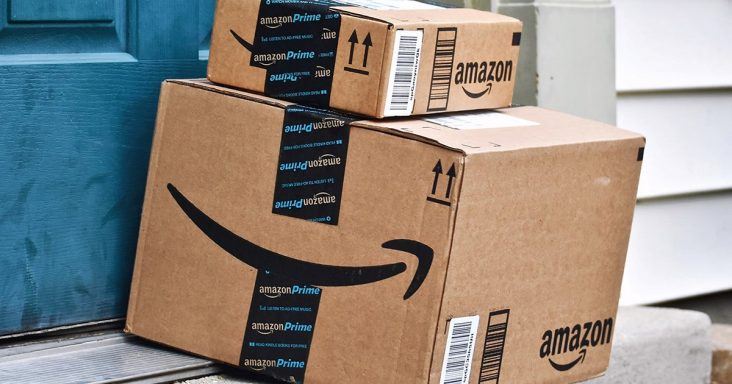
A new report from analytical marketing firm Numerator found 86 million U.S. households, or two-thirds of the country’s families, are now shopping online each week. The number is up from 40%, a level it has maintained since 2019.
The report also found that since 2019, the share of one- to two-item purchases has doubled to 32%, while large stock-up baskets have increased from 3% to 12% over the same period.
Numerator also reports that the share of online grocery orders has increased fourfold since 2019. Other categories gaining share include household products up threefold, while health and beauty, home and garden, pet and apparel have each doubled their online share of orders since 2019.
In 2025, the report found that Walmart shoppers bought an average of 69 different brands online, which was up from 20 in 2019. The report found that Amazon shoppers purchased 63 brands in 2025, increasing by 40. Target shoppers bought 28 brands, up from nine.
One reason consumers said they like to shop online is that it’s easy to compare prices, and 61% said they often buy from direct-to-consumer websites or apps, and 53% rated those experiences as better than retailer sites. Price is big, as 77% said they are willing to switch retailers for a better price.
While AI tools are available to assist shoppers in finding deals, there is still some hesitancy among consumers, with 48% citing risk of personal data breach and 41% don’t like sharing credit card information.
Another trend picking up steam is impulse shopping online at night. A recent survey report from coupon tracking firm – CouponFollow – found 56% of U.S. consumers it surveyed said they make Amazon purchases during the late night. This makes Amazon the unquestioned leader in late-night e-commerce, with brand websites like Walmart being mentioned by 9% of the respondents. Online-only discounters like Temu or Shein were cited by 5% of the respondents. Social media sites like Facebook and Instagram were cited by 3% and 2%, respectively.
The impulse factor is also higher when shopping late at night, as 39% said they have bought items on a whim, and 13% admitted to awakening to a confirmation email that they don’t remember ordering. One-in-10 male respondents say alcohol has prompted a late-night online purchase, double the rate of female respondents (5%).
The report found that, in total, 75% of respondents have made at least one unplanned late-night online purchase. The top reasons respondents cited for buying products online late at night are as follows(more than one answer accepted). Four in 10 said they remembered something they needed late at night, and 23% said they were already awake anyway. One in four said they finally had time to shop late at night, 22% shopped out of boredom, 21% cited scrolling social media or apps and 19% cited late-night or limited-time sale.
Consumers who shop late at night buy from multiple categories, and the most popular include clothing, shoes, or accessories by 33% of the respondents. Beauty and personal care items were cited by 25% of the respondents who could give multiple answers. Electronics or gadgets were purchased by 23%, as were games, books or media. Health, wellness and supplements were purchased by 22% of the respondents and 18% said they have purchased groceries late at night.
Interestingly, two in five respondents have taken at least one step to curb their late-night shopping. The most common solution was to set a budget or spending limit, cited by 24% of the respondents. Also, 14% said they turned off the shopping notifications or promo emails on their phones. One in 10 took more drastic measures by deleting the shopping apps from their phones or removing saved payment information to add a level of friction.
Looking at demographic differences in late-night shopping habits, the survey reveals Gen Z (ages 14 to 29), who are late-night shoppers, overspend an estimated $541 a year, more than four times what baby boomers (ages 62 to 80) do at $133. Millennials (ages 30 to 45) spent $373 and Gen X (ages 46 to 61) spent $243.
Gen Z respondents most often buy clothing or accessories (42%), books, games, or media (32%), and food delivery or takeout (29%, vs. 2% of baby boomers). Male respondents’ late-night carts skew to electronics (32%) and books or games (27%), while female respondents’ carts skew to clothing (39%) and beauty (38%).