
New World Screwworm infestation is spreading
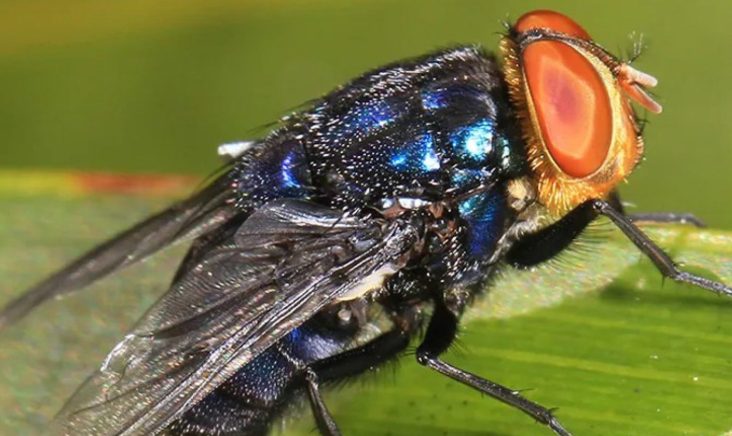
The New World Screwworm (NWS) infestation is spreading. The U.S. Department of Agriculture’s (USDA) Animal and Plant Health Inspection Service (APHIS) has confirmed additional detections of New World Screwworm (NWS) in Texas and New Mexico.
While there are no detections in Arkansas at this time, livestock and animal owners should stay alert and take preventative action, officials with the Arkansas Department of Agriculture warn.
Movement of animals into Arkansas from identified NWS Infested Zones will be restricted according to established federal NWS response guidance. A state entry permit will also be required and can be obtained on the Department’s animal entry permit page.
NWS does not pose a food safety risk and consumers should remain confident that all meat or poultry products in the food supply chain are appropriately inspected and safe for consumption.
“All warm‑blooded animals entering Arkansas from an infested state (but not from an Infested Zone) must be accompanied by an Interstate Certificate of Veterinary Inspection (iCVI) dated within 7 days of entry. The certificate must include the statement: ‘All animals in shipment were inspected and found free of evidence of NWS infestation,’” noted a statement from the Arkansas Department of Agriculture.
Group-housed food producing animals may be visually inspected in their group settings according to federal NWS response guidance. Individual inspection is required for all other animals.
NWS is a dangerous parasitic fly whose maggots feed on the living tissue of warm‑blooded animals. Without quick treatment, infestations can cause severe tissue damage and can be fatal. All animals are at risk, including livestock, pets, wildlife, and less commonly, people and birds, according to the USDA.
Procedures such as branding, castration, and dehorning, as well as birthing events where navels remain open, increase the risk of infestation. Injuries caused by predators, surgical sites, and stress from transport or sale events can also create opportunities for NWS to establish in an animal.
The U.S.-Mexico border was first closed to live animal trade in November 2024 following a detection of New World Screwworm in Mexico and has been mostly closed since then. Between February and May 2025, when the border was briefly open, weekly feeder cattle imports from Mexico averaged 14,900 head — about 43% lower than the 2020-2024 weekly average.