
Analysts: Car-Mart to see Q3 loss, 1% revenue increase
by March 6, 2026 3:53 pm 338 views
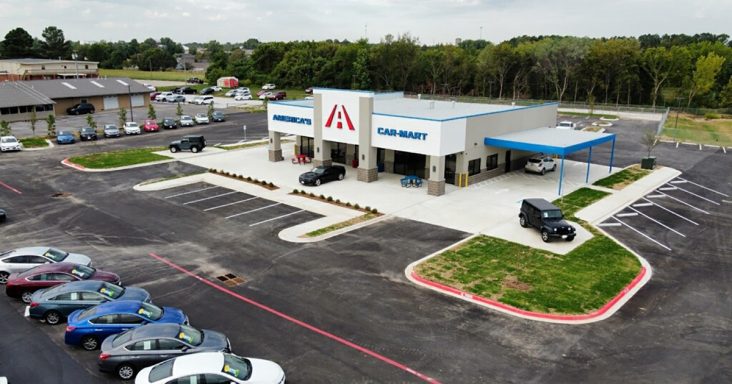
Rogers-based America’s Car-Mart Inc. is expected to post a loss and a slight revenue increase in the third quarter of fiscal 2026 as the company implements a multiphase cost-control strategy.
Before the markets open Thursday (March 12), Car-Mart is expected to report a loss of 32 cents per share in the quarter that ended Jan. 31 compared to earnings of 37 cents per share in the same period in the previous year, based on a consensus of two analysts. Revenue is expected to increase by 1.09% to $329.26 million from $325.72 million.
Car-Mart has closed 18 dealerships as part of a multiphase cost-control strategy. Including recent closures, the number of its dealerships fell to 136 from 154 at the end of October. In November, it closed five dealerships and laid off about 10% of its workforce, including corporate employees. The company said in January that it would close an additional 13 dealerships.
The company is expected to complete the second phase of its plan in its third quarter. CEO Doug Campbell previously said the plan would “optimize our footprint, cost structure and strengthen capital efficiency.” Combined, the first and second phases of the plan are projected to contribute to $20 million in annual savings.
In an earnings preview, equity analyst John Hecht and equity associates Alexander Villalobos-Morsink, Yuna Sohn, Jonathan Weitz and Aleksander Labosky, all of Jefferies, said the focus in the third quarter will be on the “pace and magnitude” of savings, inventory recovery and effects on sales. They expect expenses to be higher initially, then decline slightly and stabilize over time. They also expect credit metrics and gross margin to improve. Gross margin is expected to exceed 38% in fiscal 2027.
Analysts said the average retail price of vehicles is expected to be flat relative to the previous quarter and consistent with normal seasonality. Vehicle sales are expected to be flat at 13,900 vehicles compared to the same period last year. They said tariffs continue to put pressure on prices and affordability, “thus impacting inventory levels and (volumes).”
Jefferies analysts had a hold rating on Car-Mart stock with a 12-month target price of $29.00.
Shares of Car-Mart (NASDAQ: CRMT) closed Friday at $18.32, down 55 cents or 2.91%. In the past 52 weeks, the stock has ranged between $17.32 and $62.72.
BROADER TRENDS
Across the auto finance industry, lenders are extending terms to reduce monthly payments amid affordability concerns, according to Jefferies analysts. Loan lengths average nearly 70 months, with 84-month loans comprising about 22% of new loans.
Subprime and deep subprime borrowers, comprising the majority of Car-Mart customers, “are most affected by these stretched terms, reflecting a widening K‑shaped economic divide as affordability pressures force greater reliance on extended financing by lower-credit consumers.”
Credit metrics across the industry have improved, with delinquencies reverting to normal levels. Charge-offs were also in line with the seven-year pre-pandemic average in November and have continued to improve year-over-year. Recovery rates were higher throughout 2025, “creating tailwinds for credit/severity of losses,” analysts said. “While the high recovery rates benefit credit performance for lenders, it is another sign of affordability issues for the consumer.”
In February, the Manheim Used Vehicle Value Index rose 2.9% from the same month in 2025. The index tracks wholesale market prices.
Jonathan Gregory, senior manager of economic and industry insights at Cox Automotive, said the price growth reflects “a pattern consistent with the spring selling season getting an early start. Tax refund season is now in full swing, and the early data is encouraging: The average refund is up roughly 11% from this time last year, and the share of returns receiving a refund is up 2 percentage points… Dealers came into the month stocking up ahead of what many expect to be a strong spring, and the luxury segment continues to lead. We’re also seeing EV values firm up after some post-incentive softness earlier in the year.”
Gregory said wholesale supply has risen to 28 days, but he expects the inventory to be absorbed amid strong sales. “With lower auto loan rates giving more consumers the confidence to act and a potentially prolonged tax refund tailwind, wholesale values should find sustained support through the spring season.”