
China agrees to buy US soybeans
by October 30, 2025 3:09 pm 879 views
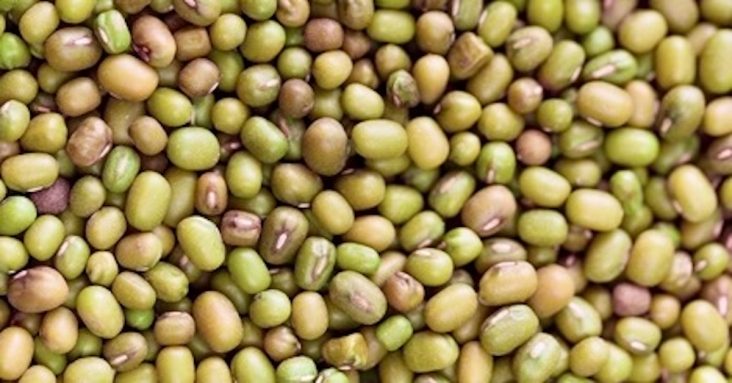
China has agreed to buy 12 million metric tons of U.S. soybeans this year after buying none during this harvest season, U.S. Treasury Secretary Scott Bessent said on Thursday (Oct. 30).
Details of the deal have not been released, but Bessent said China has also agreed to buy 25 million metric tons during the next three years.
How this will immediately impact farmers is not known, but Agricultural Council of Arkansas Executive Director Andrew Grobmyer told Talk Business & Politics that many farmers have already sold their soybean crops at a loss.
At best, this deal will have a modest impact. Commodity prices have been slightly up, so farmers who haven’t sold their crops might make a little extra money. But the median input costs for an acre of soybeans and the maximum yield numbers still put many producers at a loss for the year, he said.
“I think we are still gaining an understanding of what agreement has been reached,” he said.
China is the world’s largest importer of soybeans, and it has been the U.S. top soybean export market in recent years. That changed earlier this year when President Donald Trump started a trade war with the country and imposed stiff tariffs on a wide range of products.
In retaliation, the Chinese stopped importing American grown soybeans. Last year, the country imported $13 billion worth of soybeans from the U.S., or about 24 million metric tons, according to the U.S. Department of Agriculture.
Grobmyer said the deal is a positive step towards “thawing” relationships between the two countries and he’s optimistic this will give farmers a chance to sell commodities to the Chinese. But they are notorious for back tracking on trade deals, and he’s seen nothing about a pullback from their soybean trade with South American countries such as Brazil and Argentina.
China has been pouring money and other resources into building farms and infrastructure in those countries, he said. The country has been increasingly buying soybeans from those countries and that will negatively impact U.S. farmers long term, he said.
Trade negotiations will hopefully open new international markets, but allowing the deforestation of the rain forests in South America to build soybean, cotton and other types of farms will give international producers an unfair advantage on world markets when compared to their U.S. counterparts.
“We need trade … but we also need fair trade practices,” he said.
During the short term, Congress and President Trump need to find a way to funnel economic assistance to farmers who are struggling, Grobmyer said. One way might be to take money collected through record-setting tariffs and create assistance programs.
Congress hasn’t passed a new Farm Bill since 2018 and a new one needs to be passed, he said. It’s been estimated that Arkansas could lose about one third of its farms by the spring of 2026 if conditions don’t improve.
In the near future, not much has changed, Grobmyer added.
“A lot of producers across the state have lost money this year. … It’s not sustainable,” he said.