
Prime Day events fueled 9.3% growth in online sales
by June 30, 2026 4:26 pm 381 views
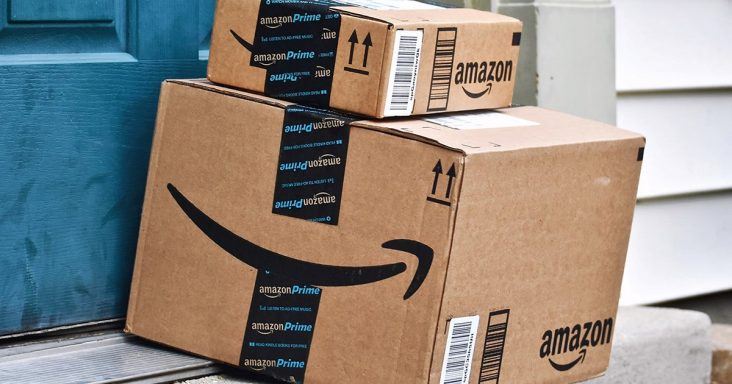
Amazon Prime Day, which took place June 23-26, generated $26.4 billion in online sales, up 9.3% from a year ago, according to Adobe Analytics. The marketing firm had forecast Amazon sales to total $26.3 billion over the four days.
Adobe also reported that discounts were mostly on par with a year ago, with electronics savings peaking at 24%, compared to 23% a year ago. Apparel discounts stayed even at 24% on average, and television discounts remained at 18%. Appliances stayed 16% off, and toy discounts rose slightly from 19% to 20% savings.
The Prime Day event, which was shifted earlier to June this year from July in 2025, featured broad participation from major retailers, including Walmart and Target, which ran competing promotions during the same period. Adobe said shoppers concentrated spending in categories such as electronics, appliances, tools, home improvement, and home and garden. The first day sales generated $8.3 billion, up 5.3% from the first sales day in 2025, and it was the biggest U.S. online shopping day this year.
To put the sales significance in perspective, Adobe said U.S. shoppers spent $6.4 billion on Thanksgiving Day in 2025, and $11.8 billion on Black Friday and $14.2 billion on Cyber Monday last year.
Consumers placing buy now, pay later orders rose 9.6% during Prime Days to $2.1 billion, accounting for 6.6% of online orders during the period.
Adobe also reports that consumers used the sales period to buy more expensive products, with data revealing the share of the most expensive products increased 19% compared to year-ago levels. The share of the most expensive goods in electronics jumped 51%, and shoppers were trading up in categories like toys, appliances and furniture.
Consumers also sought out promotions. The Telsey Advisory Group said out of 68 retailers and brands, 40% were more promotional than last year.
“Amazon Prime Day 2026 shifted two weeks earlier, and it blended with multiple retail promotions around Memorial Day, FIFA World Cup, Father’s Day, and Independence Day (America 250) — helping create a midyear spike in consumer spending,” Telsey Advisory Group analysts noted. “Amazon should continue to gain market share by leveraging its sticky Prime member base, small business relationships, and technological edge.”
Numerator reported that Prime Day shoppers also compared prices with other retailers during the mega-sale event, including Walmart (62%), Target (41%), Costco (27%), Best Buy (17%) and Temu (10%). Total average household spending for the week across multiple retailer purchases was pegged at $187, according to Numerator.
The typical Amazon Prime Day shopper is a high-income, suburban female between the ages of 45 and 64. Also, 90% of Prime Day shoppers have made purchases in the past during the summer promotions.