
UA to mark completion of west Fayetteville solar facility
by April 20, 2026 12:17 pm 411 views
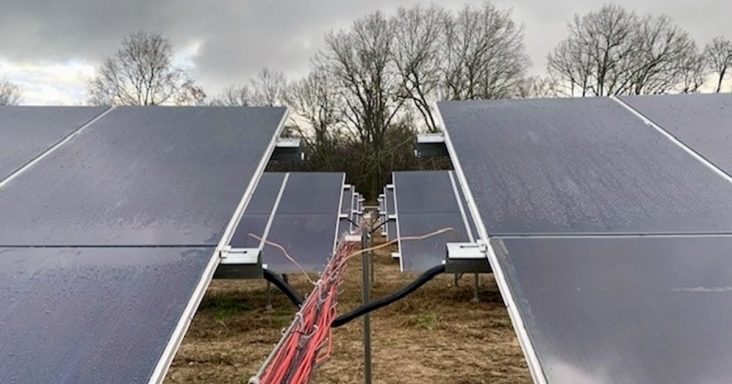
University of Arkansas and solar energy sector officials are set to gather Wednesday (April 22) in west Fayetteville to unveil a new solar facility that is part of the university’s effort to be carbon neutral by 2040.
The new facility, part of the university’s Cato Springs Research Center, is located at 8200 Wedington Drive. Those attending the event are encouraged to RSVP at [email protected].
The Office for Sustainability is hosting the event that coincides with Earth Day, and is billed as “a commemoration of the University of Arkansas Systemwide solar energy project.” In 2007, the UA became one of the first institutions to sign the American College and University Presidents’ Climate Commitment and establish the goal of net carbon neutrality by 2040.
An August 2022 UA press release estimates that the 25-acre facility in west Fayetteville will provide enough electricity to match 6.3% of the annual needs of the main Fayetteville campus.
“Through this ambitious project, the campus will hedge against expected rising energy rates, reduce environmental impact, create opportunities for hands-on learning and research, and take a big step toward achieving its 2040 carbon neutrality goals,” the UA noted in a press release.
According to the UA, the university’s combined solar project is the largest in the state and includes more than 20 facilities in Arkansas, including the new facility in west Fayetteville. The combined project is the fourth-largest among U.S. universities.
The partnership with Little Rock-based Scenic Hill to design, install and connect the new solar facility required no upfront investment from the university, the UA noted.
Officials expected to speak include UA Provost Indrajeet Chaubey, Chris Thomason, UA System vice president for planning and development, Scott Turley, senior advisor and project manager for facilities management, and Bill Halter, CEO of Scenic Hill Solar.
The total carbon footprint of the University of Arkansas is approximately 120,000 metric tons of carbon dioxide.
“Our footprint per campus user has improved dramatically over a decade, reducing by nearly half, but we still have a ways to go,” the UA noted.
The UA said all of its solar facilities tied to the broader project should be fully operational by the end of 2026.
According to the Arkansas Advanced Energy Association, nearly all net capacity additions for electricity generation have been solar since 2015, with about 1.8 gigawatts added. Arkansas has about 2.5 gigawatts of solar generation, and about 800 megawatts planned. The state’s first utility-scale wind project started operating in 2025.