
Poultry pollution lawsuit negotiations continue
by January 26, 2026 12:15 pm 1,146 views
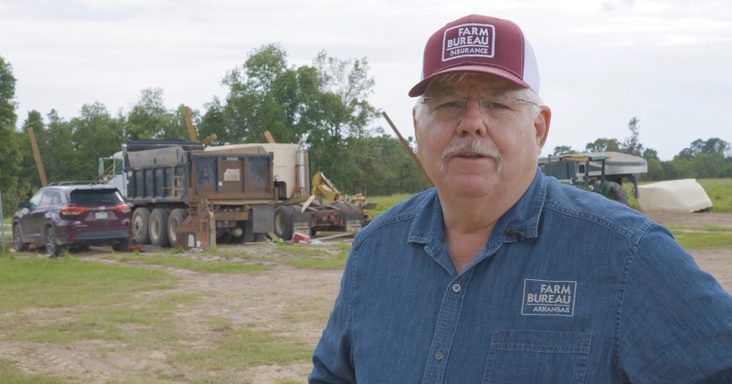
Dan Wright, a poultry farmer from Waldron and president of the Arkansas Farm Bureau
Dan Wright, a longtime poultry farmer from Waldron and president of the Arkansas Farm Bureau, said he and his Oklahoma counterparts are increasingly worried about the lawsuit centered around pollution in the Illinois River watershed.
He said farmers of all stripes across the state are on red alert.
“They’re nervous,” Wright said. “Every poultry grower in the state is nervous because everywhere in Arkansas is a watershed … Some of our counterparts in Oklahoma, they have cattle feed lots. They’re worried that they could be affected. So it goes across the board, and it could even go into row crop country. The whole thing is about run-off of fertilizer, and the row crop folks use fertilizer.”
In late December, U.S. District Judge Gregory Frizzell ruled that several poultry companies, including Springdale-based meat producer Tyson Foods, must pay penalties in the lawsuit that placed liability for phosphorus pollution in the river watershed after negotiations to come up with a settlement failed. He appointed a special master to oversee the plan and required the companies to set aside $10 million for remedies. The Illinois River watershed runs through Benton and Washington counties and parts of eastern Oklahoma.
More than two weeks ago, George’s Inc., a vertically integrated poultry company based in Springdale, became the first defendant to settle with Oklahoma for $5 million. Other aspects of the settlement include George’s removing poultry litter from the Illinois River watershed for the next seven years, including “progressively reducing the amount remaining from no more than 40% to no more than 20%.”
George’s will also pay $250,000 to the special master’s office, and the company agreed that litter removed from the river will not be applied to land in any other nutrient-sensitive watersheds in Oklahoma. In exchange, Oklahoma released all claims against George’s.
Wright said first of all, he hopes for a stay in the case so negotiations and other solutions can continue to be explored. Noting that there was a problem with phosphorus in the watershed over 15 years ago, Wright said a lot has been done in the last decade and a half to mitigate high levels. He’s also worried about the appointment of a special master, who will have broad authority to dictate actions for farmers and the large poultry companies.
Short of the lawsuit going away, what does Wright hope happens?
“The second-best scenario, number one, would be to not have a special master,” he said. “The special master, in our opinion, could be somebody that at one point decides they don’t want any more poultry production in that watershed. And from what I understand of this person, they have total control.
“Some of the other specifications the judge gave, keeping the phosphorus under 120, I mean, that’s doable,” he added. “Specifying how much litter can go on the farm, that’s doable. That’s what they’re doing now. Everybody’s got a nutrient management plan, and the 1 ton per acre is what they’re doing now, more or less. So nothing there is really out of bounds.”
Wright said farmers care about the environment as much as outdoor enthusiasts because it is their workspace and their playground, but a lot has changed in the last 15-plus years. And farmers have been addressing the issue of fertilizer runoff into waterways. He contends the lawsuit is based on data from the long-ago time period, and it should be viewed in terms of where phosphorous levels are today.
“Over the last 15 years, those [phosphorous] numbers have come down,” Wright said. “Every farmer there has a management plan. Everybody there’s cut back on the litter to be better for the environment. But none of those numbers, none of those measurements were ever taken into consideration when this judgment came down. They looked at it as if it was 15 years ago.
“There has to be a balance because if we shut down agriculture with poultry farmers in that area, those little towns will dry up and blow away,” he said.