
Westerman’s SPEED Act accelerates to the Senate
by December 21, 2025 8:48 am 1,039 views
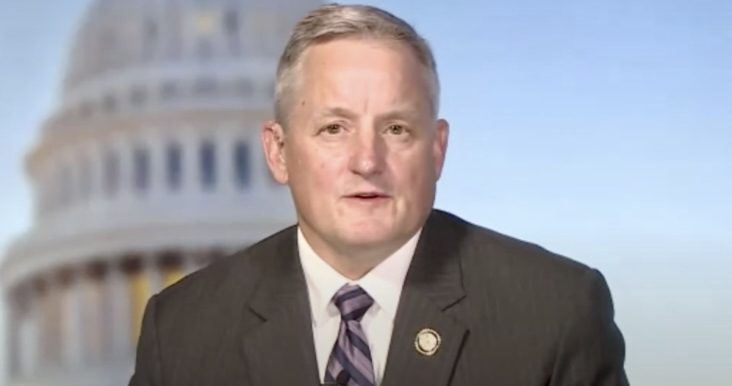
U.S. Rep. Bruce Westerman, R-Hot Springs, has been working on a regulatory reform bill for years, and this week, he saw the culmination of his efforts take a giant leap forward but not without a little drama.
The Fourth District Congressman was a guest on this week’s Talk Business & Politics D.C. Edition to discuss the measure as well as a vote on a new health care bill that is likely destined for no man’s land in the U.S. Senate.
Known as the SPEED Act, which stands for Standardizing Permitting and Expediting Economic Development Act, it is a bipartisan bill aimed at overhauling the National Environmental Policy Act (NEPA). The bill speeds up approval for infrastructure, energy, and conservation projects by cutting red tape and shortening deadlines for federal agency decisions and reviews. It passed the House this week on a 221-196 bipartisan vote.
“If we can get that legislation through the Senate and signed into law, it’ll be huge,” said Westerman. “There was an opinion by the Wall Street Journal editorial board this week that said it’s the most important issue that Congress can work on. A lot of people realize the significance and the need for permitting reform. And this was a huge first step to get the bill passed out of the House this week.”
While tweaked through the years, the National Environmental Policy Act (NEPA) has not been majorly modified since 1969. Westerman said that the bipartisan bill has over 375 organizations from all 50 states have endorsed the proposal and he expects that to grow with the House passage.
Much to Westerman’s chagrin, there was late drama in passing the bill in the House as hardline Republicans fought to tack on an amendment to block offshore wind foes. It swung enough votes to earn GOP passage in the slim majority House. It may be altered in the Senate.
“There were some last minute theatrics this week where some of my brethren on the Republican side wanted to force some input into the bill that it drove away some votes on the left,” he said. “I was thinking I could have gotten 30, maybe 40 or 50 [Democratic] votes on the bill” before the wind energy amendment was added.
Westerman said he preferred the bill remain as clean as possible to not single out any type of energy projects for special consideration.
“We made a very concerted effort to say that this bill was technology neutral. It wasn’t biased towards any kind of project. We’ve heard people for years say the federal government shouldn’t be picking winners or losers. We looked at the NEPA process as just that – a process – and that’s what the Supreme Court said this summer in a ruling that it is a process that can’t dictate outcomes. There’s no mention of any kind of technology of any kind of project in the bill. It just outlines a fair process for people trying to get a permit to go through,” he said.
The House also followed Speaker Mike Johnson’s lead and narrowly passed a GOP-led health care bill that is unlikely to garner enough support in the Senate. Westerman voted with the Republican majority on the bill known as the Lower Health Care Premiums for All Americans Act.
The bill:
– Expands Association Health Plans, which could allow small businesses or individuals to pool resources for group plans;
– Lowers insurance premiums for silver marketplace plans, but reduces the amount of premium tax credits for all enrollees;
– Requires PBMs to provide employers and insurers with more data on drug prices and rebates;
– Does not extend premium tax credit subsidies for certain ACA plans that have been at the center of Congressional debate.
The Congressional Budget Office estimates the bill would reduce the federal deficit by $35.6 billion over the next decade but would also increase the number of uninsured Americans by an average of 100,000 per year through 2035.
“I thought we should have gone a lot further on PBMs, but we put together what I would call kind of a mini-package that addresses real healthcare cost and concerns, but there’s a lot more work to do that I think we’ll be focusing on that when we get back in January,” he said.
Westerman admits the bill isn’t perfect and that it faces an uphill battle in the Senate. When asked why there weren’t concerns addressed that are known obstacles for Senate passage, he said there should have been.
“I’ve worked on a lot of healthcare policy and I see this as an opportunity that if extending those subsidies is so important, then we should pair that with very substantive reform,” said Westerman, who had drafted a measure to address more health care concerns.
“HSAs [health savings accounts], site neutrality, the full PBM part of it. I’ve got a bill drafted that puts all the federal health – it’s called the Federal Employees Health Benefit Program – eight to 10 million people that get their health insurance through the federal government, move all of those into the ACA exchanges, which that’s where members of Congress get their insurance. So they’d have the same kind of insurance that members of Congress have. That would save $40-$50 billion a year just by doing that. So there’s some really big changes we can make that will affect the overall price that people are paying for healthcare and improve the services they get,” he said.
He expects this bill and others to get more airing when Congress returns in January. Appropriations bills will be the other top agenda item when the House of Representatives returns next year.
You can listen to Cong. Westerman’s full interview at this link.