
Online grocery sales rise 27% in June, food at home prices up 2.4%
by July 15, 2025 4:44 pm 823 views
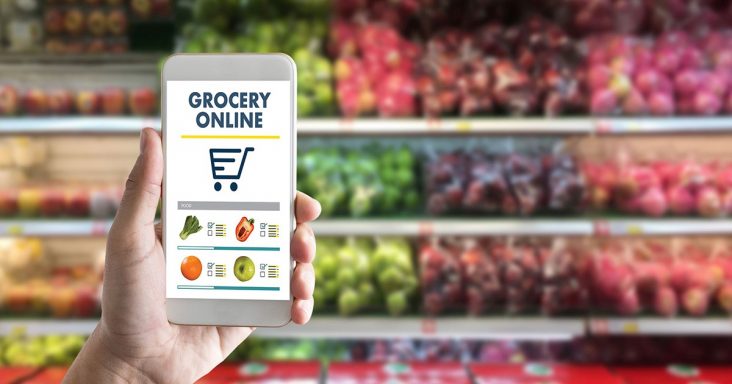
Consumers spent $9.8 billion in June purchasing groceries online, up 27% from $7.7 billion reported a year ago, according to Mercatus and the Brick Meets Click Grocery Shopper Survey. Food-at-home prices were up 2.4% in June.
The results are not adjusted for inflation, which remains elevated for many food and grocery items that came in 2.4% higher than a year ago, according to the Consumer Price Index (CPI) data posted Tuesday (July 15) by the U.S. Bureau of Labor Statistics.
The CPI index for food at home rose 2.4% over the 12 months ending in June. The meats, poultry, fish, and eggs index rose 5.6% over the last 12 months as the eggs index increased 27.3%. The index for nonalcoholic beverages increased 4.4% over the same period, and the index for other food at home rose 1.3%. The fruits and vegetables index increased 0.7% over the 12 months ending in June. The index for cereals and bakery products and the index for dairy and related products each increased 0.9% over the same period.
Mercatus reports all three segments measured in the report posted dollar sales gains of 25% or more for the month. In-store grocery sales slipped during June due to a combination of the surge in online sales and shifts in where households primarily buy their groceries.
The delivery segment had sales of $3.8 billion in June, up 29% from the same period last year. The survey found growth in the monthly user base, coupled with gains in order frequency and average order value, which fueled the sales increase. Delivery orders captured another 0.45% of share in June compared to last year, finishing the month with more than 38% of e-grocery sales.
“June’s strong results signal that this sustained surge in e-grocery sales, particularly in delivery, is likely to continue because delivery is now effectively free for many users,” said David Bishop, a partner with Brick Meets Click. “This evolving dynamic leverages membership and subscription programs to eliminate one of the top historical barriers to using an e-grocery delivery service.”
The pickup segment share declined 44% in June for the second straight year, down 1.1% from a year ago. Pickup sales were up nearly 25% to $4.3 billion, driven by gains in the number of monthly average users, order frequency, and average order values compared to a year ago.
The ship-to-home segment captured nearly 18% of the online grocery spend in June. Sales in the ship-to-home segment increased 33% to $1.7 billion in June compared to a year ago. The report found that while this segment is the smallest of the three, the monthly user base and order frequency each grew in the quarter compared to June 2024.
Overall grocery spending per household during the final week of June 2025 rose only 2.5% versus last year. Excluding online sales, this suggests that in-store grocery sales across all retail formats declined versus June 2024.
The share of households in June that indicated Walmart was their primary grocery store rose by nearly a full percentage point. Hard discounters, like Aldi, gained almost one and a half points, while supermarkets lost over two points, the report states.
Bishop said supermarkets continue to face escalating competition from Walmart. One in four households that ordered online from a supermarket service also did so with Walmart during June 2025, up 4% year over year. This cross-shopping metric between supermarkets and Walmart has risen every June since 2020, when Brick Meets Click began measuring and monitoring this shopping indicator.