
Opinions differ on use of former ACME Brick property
by December 21, 2025 5:02 pm 1,532 views
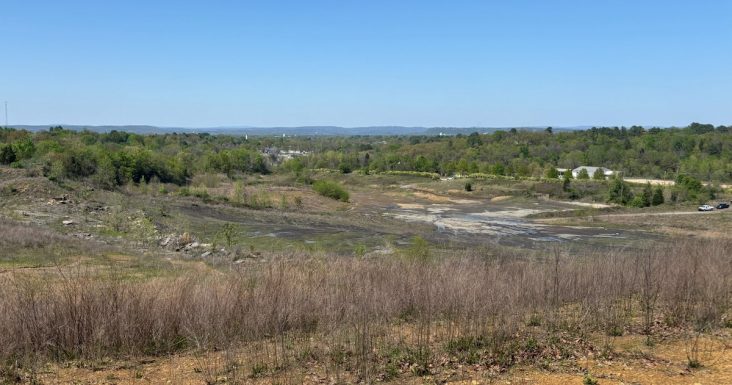
An effort to develop a master use plan for more than 100 acres of former ACME Brick property in Fort Smith has drawn criticism from those who don’t think the city can afford another park, and is drawing support from those who believe a new park is a smart investment.
The Fort Smith Board of Directors approved the $2.288 million purchase of 111.31 acres formerly utilized by ACME Brick Company in October 2023. Plans at the time were to use the property for flood mitigation and park amenities such as trails and bike paths.
During a Jan. 14 study session, Acting Fort Smith City Administrator Jeff Dingman said a master plan that determines priorities is preferred because it allows for the best use of funds for long-term planning and construction on the property. He also said the planning will include operational procedures that could have revenue generating options.
Officials with Des Moines, Iowa-based RDG Design have outlined design and use principles, based on direction from the board and city staff, for the property. More than 100 people attended a recent open house as part of the community input process.
“To ensure continued community involvement, the City of Fort Smith worked with RDG Planning & Design, the consultant leading the master planning effort, to launch an interactive project website using Social Pinpoint,” noted a statement from the city. “The platform is designed to closely replicate the open house experience, allowing residents who were unable to attend in person to review project information and submit feedback online.”
Link here to access the interactive website.
Talk Business & Politics sought input from the board about the ACME property. Directors Christina Catsavis, George Catsavis, Lee Kemp, and Jarred Rego responded. George Catsavis said it was always his intent to use the property for flood control and then sell remaining property not needed for flood control. He said the city is now challenged to maintain all the parks it has and can’t afford another new park.

Following is the complete unedited response from Christina Catsavis.
“There has been interest in the former ACME Brick property from independent developers, but that interest has largely been limited to the frontage portion of the site. Those parties expressed no interest in, or viable use for, the remaining acreage behind it.
“I believe this presents an opportunity to approach the property in a way that benefits the entire community. By breaking off and selling the frontage for development, the city could generate funds that could then be reinvested into projects on the remaining property.
“At the same time, we must be mindful about the flooding challenges in the Mayranch area and on the North side of town. Any plans should include a clear strategy to address flood mitigation through the use of a retention pond, we can approach this project in a way where we are solving real infrastructure problems while remaining fiscally responsible.”
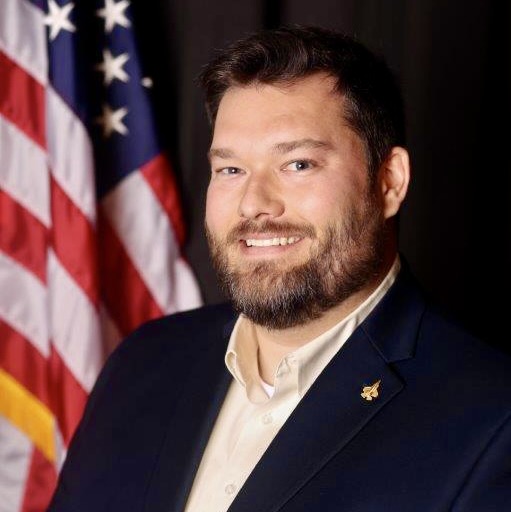
Following is the complete unedited response from Rego.
“The Ordinance and Resolution that authorized the City’s purchase of the ACME property passed unanimously on October 10, 2023. In both documents, it is clearly stated that the purpose of the purchase is for Parks and Recreation amenities AND stormwater mitigation. The Board even had a Study Session on July 20, 2023 where a presentation was made by Friends of Recreational Trails about a design and vision they had acquired from the firm Progressive Trail Designs. This proposal included mountain bike and trail features within the property. The City also enjoyed a favorable write-up on ArkansasOutside.com in January of 2024 with an emphasis placed on the proposed bike trail element of the park.
“In mid-to-late 2024, a pivot was made by the majority of the Board to emphasize the stormwater mitigation aspect of the project and diminish the bicycle and trail amenity possibilities. It seems to me that this pivot occurred as misinformation and distortions were spread relating to ongoing trail and mobility planning. It is important to note that it was made clear to the Board at every step of this process by the City Engineering Department, that the stormwater mitigation aspects of the project alone would cost at least $5-6 million. On February 4, 2025, the Board voted 4-3 to proceed with a one year park master planning agreement with RDG Planning & Design to run concurrently with design/engineering work being done on the stormwater mitigation front by Halff Associates.
“Once the City has received the final report from RDG, we will be able to assess scope, scale, feasibility, and options for consideration moving forward. The city spent the money to acquire the property over two years ago from our budget reserves. We are not in any financial duress because of this purchase and to suggest otherwise is extremely disingenuous and showcases a lack of understanding about how the city’s budget and finances function. My hope, and the hope of many people in the community, is that there is the ability to place unique parks and recreation amenities on this property such as mountain bike trails/runs or even a food truck area to complement our nearby parks. However, any plan or proposal for investment or use of the land will be carefully considered, will include numerous public meetings and opportunities for input, and will take future affirmative votes from the Board of Directors.”
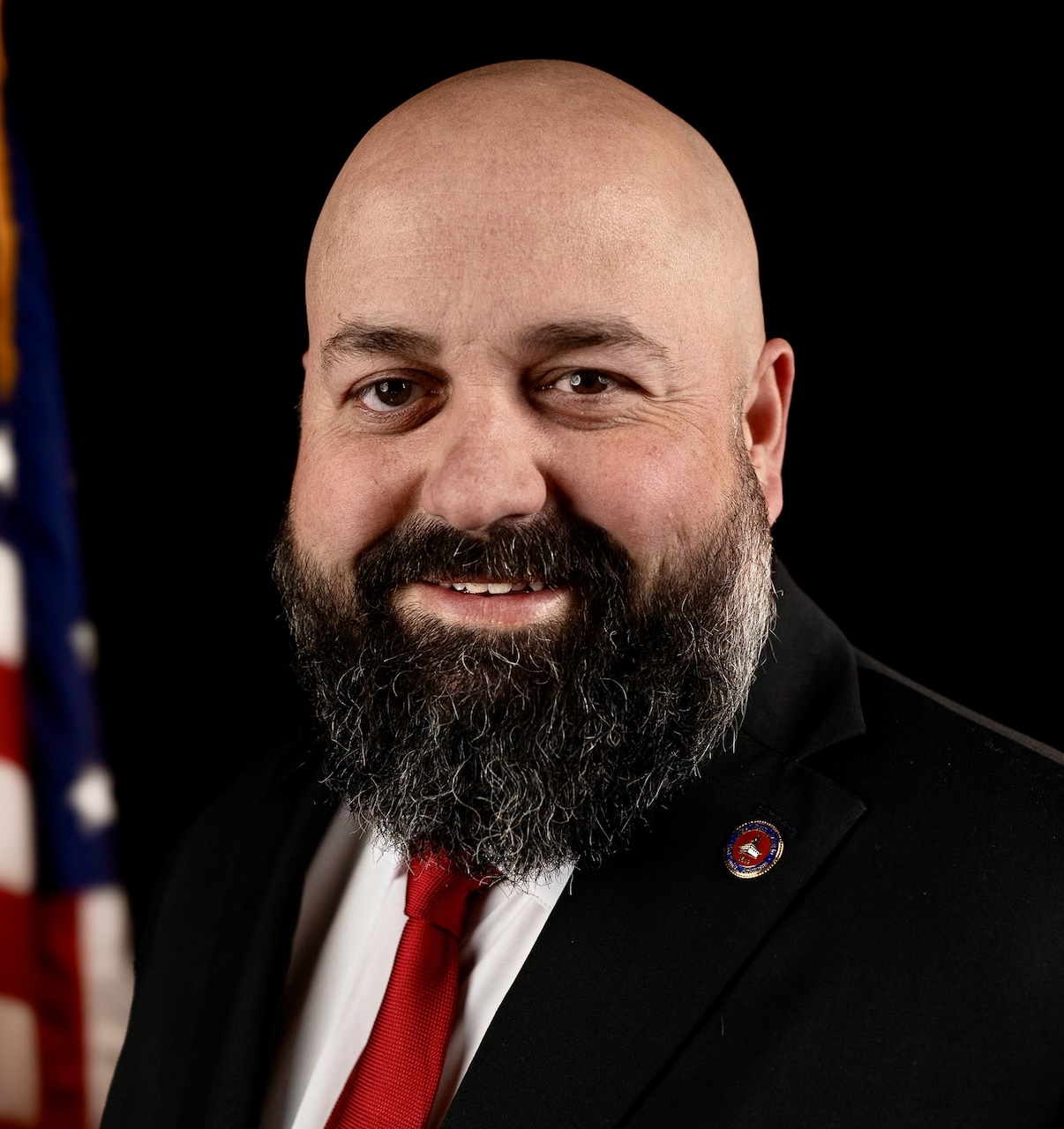
Following is the complete unedited response from Kemp.
“I think it’s important not to rush decisions on the former ACME Brick property. While flood mitigation was clearly a primary purpose, the way the Board funded the purchase tells a broader story— 61% came from General Fund Parks Maintenance dollars and 39% from the 1% Sales Tax for streets, bridges, and drainage —which suggests that future park-related uses were contemplated from the beginning.
“The public input meetings were not about committing to amenities today. They were the fulfillment of what the Board asked for—collecting data and hearing from citizens to inform future decisions, not to lock the City into a specific path.
“Given the size and location of this property, a professional master plan matters. It allows us to thoughtfully integrate flood control with any future uses, positions the City to pursue philanthropic or grant support, and helps prevent irreversible mistakes like selling the wrong portions of the land too early.
“One clear takeaway from public input was that nearby residents do not want apartments or intensive development that could negatively affect property values, and that feedback deserves weight.
“I don’t have a personal agenda for this project. My focus is on listening to citizens and ensuring we don’t give up long-term opportunities because of short-term pressure. The City will enter 2026 with a balanced budget and strong fund balances, and since the land is already owned, there is value in holding it while planning is done right.
“In the meantime, there may be low-cost ways to activate the space—such as trails supported by local groups or Eagle Scout projects—without committing significant tax dollars.”