
An obligation to maintain sacred spaces
by December 7, 2025 10:16 am 530 views
For more than a century, families in Fort Smith have trusted that their loved ones would be laid to rest in dignified, well-maintained cemeteries. Roselawn, Holy Cross, and Forest Park cemeteries hold the stories of more than 55,000 people who helped shape this community.
These grounds contain veterans, teachers, business owners, civic leaders, and generations of families whose lives built the Fort Smith we know today. Their resting places are sacred spaces that reflect our values and the respect we owe to those who came before us.
As board president, I have worked closely with our Board of Directors at Fort Smith Cemeteries, Inc., a group made up of business and community leaders from a wide range of professional backgrounds. For more than three years, we have analyzed every aspect of these cemeteries. We have reviewed financials, staffing models, maintenance needs, long term obligations, and every possible revenue opportunity. We have looked for efficiencies, evaluated new strategies, and explored alternatives of all kinds.
After all that work, our conclusion is unmistakable. There is no viable way for these cemeteries to operate independently while meeting the perpetual care obligations expected by our community. The cemeteries face an annual operating deficit of $108,910. For a small nonprofit, this amount is impossible to shoulder indefinitely. For a city the size of Fort Smith, it is modest and manageable.
Recreational opportunities, such as the much-discussed water slides for the community, are important and add greatly to the quality of life in Fort Smith. However, the long-term maintenance of our cemeteries carries an even greater responsibility. Recreation serves the living in meaningful ways but caring for the resting places of more than 55,000 people is a permanent obligation. It reflects our values, our history, and our commitment to honoring those who made our community what it is today.
The city also has experience in this area. Fort Smith has operated Oak Cemetery for many decades and already understands what it takes to maintain a cemetery responsibly. The infrastructure, operational knowledge, and historical commitment are already in place. Extending that stewardship to Roselawn, Holy Cross, and Forest Park is both logical and necessary.
Without city involvement, these cemeteries will face unavoidable decline. Once that happens, the cost to recover them is far greater both financially and in terms of public trust. This is why the city must prioritize its obligation to provide long term perpetual care. The individuals buried in these cemeteries built this community, and they deserve the same dignity and respect a century from now that they received the day they were laid to rest.
We are working closely with the Fort Smith Board of Directors to support this effort and to ask for their approval of this initiative. Their leadership will ensure that these cemeteries receive the stable, long-term care they require.
We also plan to support the city by forming Friends of Fort Smith Cemeteries, Inc., a dedicated fundraising arm that will help reduce the annual deficit even further through community giving, volunteer engagement, and project-based support.
Our cemeteries board has exhausted every private path forward. The economics simply do not work. Now is the time for the city to step in and ensure these sacred grounds are cared for not just today, but for generations to come.
This is a matter of responsibility, respect, and long-term vision. The city must choose to prioritize what truly lasts.
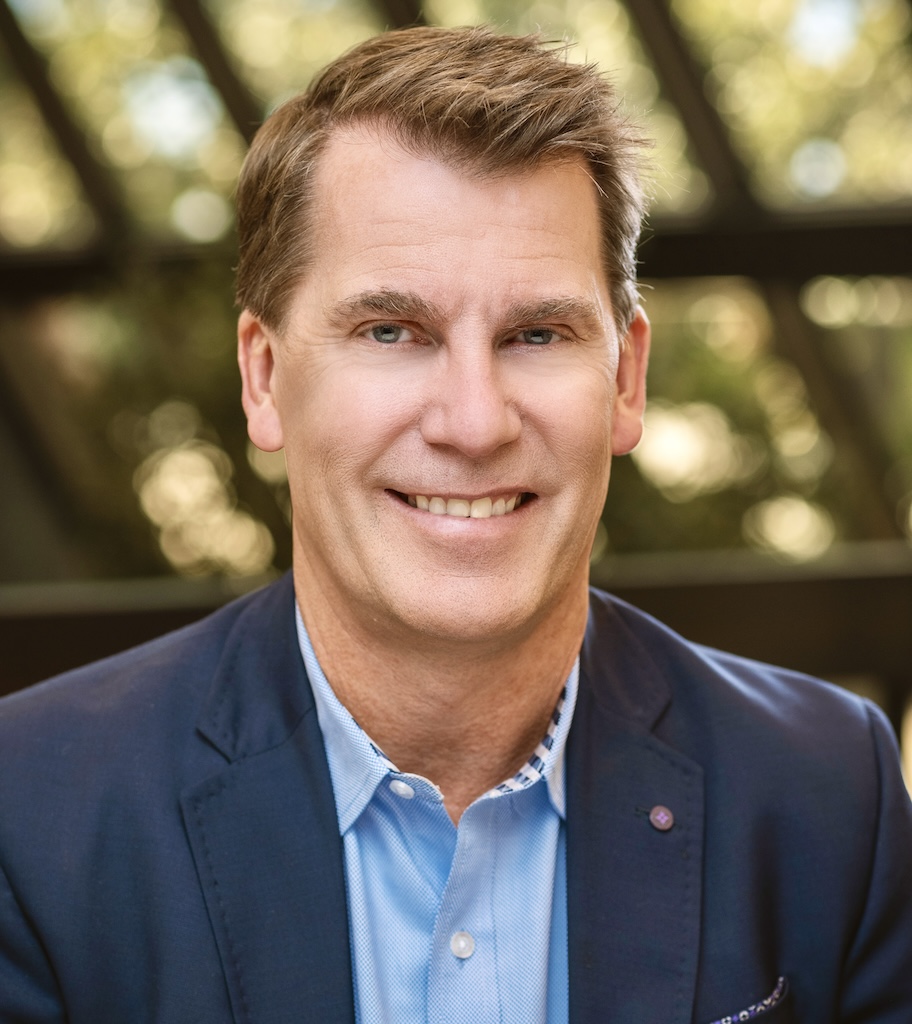
Editor’s note: Marty Clark is president of Fort Smith-based BHC Insurance, and board president of Fort Smith Cemeteries Inc. The opinions expressed are those of the author.