
Google, Treaty Oak announce solar power deal in Grant County
by November 13, 2025 12:51 pm 432 views
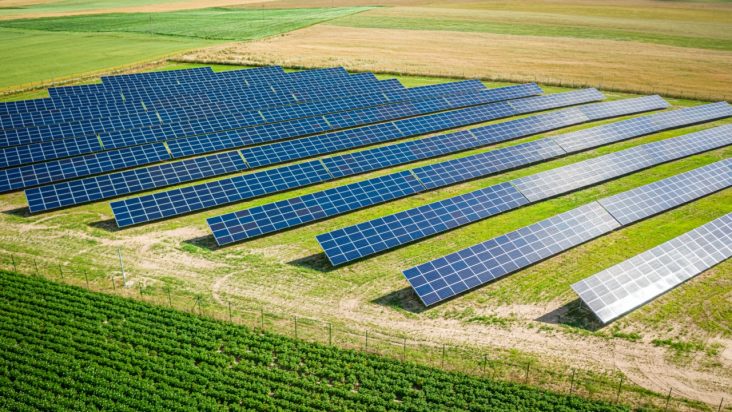
Treaty Oak Clean Energy LLC announced a 15-year power purchase agreement with Google for 100 megawatts from the 1,033-acre Redfield Solar Project located in southeastern Grant County in Arkansas.
Google will serve as the sole offtaker, with the clean power supporting data centers across the Midcontinent Independent System Operator (MISO) region.
“This agreement marks another significant milestone for Treaty Oak and underscores our ability to structure and deliver scalable clean energy solutions tailored to the needs of sophisticated energy buyers like Google,” said Rohit Ogra, co-founder and chief revenue officer of Treaty Oak Clean Energy LLC. “Through our agreement with Google, we continue to demonstrate our ability to deliver profitable projects that meet the evolving needs of corporate and institutional energy buyers, while also providing lasting economic benefits to our local community partner.”
The Redfield Solar Project, which announced financial close of $123 million in December 2024, broke ground in early 2025, creating 275 peak construction jobs.
It is expected to begin operations in the second quarter of 2026, and over its lifetime the project is forecasted to deliver $9 million in local and state tax revenue. Treaty Oak also donated $100,000 to contribute to the county’s library expansion efforts.
“Strengthening the grid by deploying more reliable and clean energy is crucial for supporting the digital infrastructure that businesses and individuals depend on,” said Will Conkling, director of clean energy and power at Google. “This collaboration with Treaty Oak Clean Energy will ensure a steady supply of reliable, affordable, and clean energy for our data centers, resulting in a stronger grid and healthier future for Arkansas.”
The announcement follows a growing trend of large-scale energy buyers securing clean power in strategic markets.
Google’s collaboration with Treaty Oak reflects a broader shift toward decarbonized operations and resilient energy sourcing.