
Nebraska SNAP soda waiver approved; Arkansas’ pending
by May 20, 2025 2:13 pm 1,070 views
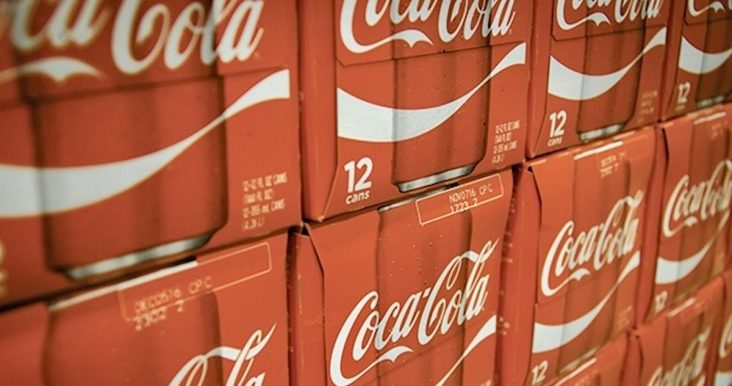
U.S. Secretary of Agriculture Brooke Rollins approved a waiver Monday (May 19) allowing Nebraska to prohibit Supplemental Nutrition Assistance Program (SNAP) beneficiaries from purchasing soda or energy drinks starting Jan. 1.
Arkansas has made a similar request in a move announced by Gov. Sarah Sanders April 15 that Rollins attended. That request is pending, said Arkansas Department of Human Services spokesman Gavin Lesnick.
Nebraska’s waiver adds soda and energy drinks to the list of products that can’t be bought through SNAP, often still known informally as “food stamps.” Other products include alcohol, tobacco, hot foods and personal care products.
“Today’s waiver to remove soda and energy drinks from SNAP is the first of its kind, and it is a historic step to Make America Healthy Again,” Rollins said in a USDA press release. “Under President Trump’s leadership, I have encouraged states to serve as the ‘laboratories of innovation.’ Nebraska Governor Jim Pillen and Governors in Iowa, Arkansas, Indiana, Kansas, West Virginia, and Colorado are pioneers in improving the health of our nation.”
Sanders and Rollins appeared at a press conference at the Arkansas Governor’s Mansion on April 15. Sanders announced that Arkansas would be asking for permission to remove from eligibility soda, low-and no-calorie soda, fruit and vegetable drinks with less than 50% natural juice, unhealthy drinks, and candy. Flavored water, carbonated flavored water and sports drinks would not be included.
The waiver request, which was submitted April 15, also seeks to add prepared rotisserie chicken, a hot food, to the program’s list of eligible purchases.
“Right now, you can use food stamps to buy soft drinks or a candy bar from a gas station, but you can’t use them to buy an Arkansas-raised, hot rotisserie chicken from a grocery store,” Sanders said at the press conference. “That’s the definition of crazy, especially when our state has so many farmers and ranchers raising healthy, homegrown products right here in our backyard.”
SNAP is a federally funded program largely administered by the states. The maximum allotment for a family of four in the 48 states and Washington, D.C., is $975 in fiscal year 2025.
The federal government will spend about $100.2 billion on SNAP in fiscal year 2025, according to the Food and Agricultural Policy Research Institute at the University of Missouri. Rollins said April 15 that the program’s largest spend is on soda.
Rollins noted then that she had come to Arkansas even though the waiver had not yet been approved. She expected it to move quickly.
“We’ll get the waiver through the process,” she said.
More than 100,000 Arkansas households receive SNAP benefits. Meanwhile, more than one-third of Arkansans have diabetes or pre-diabetes, according to the waiver request. The state has the nation’s second-highest diabetes mortality rate. At the same time, the state’s Medicaid program spends at least $300 million annually treating chronic illness.
The request pointed to a Stanford study in 2014 that said removing sugary drinks from SNAP benefits would prevent obesity in 141,000 American children and Type 2 diabetes in 240,000 adults.
“Taxpayers are subsidizing poor health,” Sanders said at the press conference. “We’re paying for it on the front end and the back end. That’s not a nutrition program. It’s actively harming Arkansans’ health and contributing to our nation’s mountain of debt.”
She said that while the government would not pay for soft drinks and unhealthy food, it also would not dictate to recipients how they spend their own money.
Merideth Potter, senior vice president of public affairs for the American Beverage Association, said in an interview in April that obesity is a complex problem not driven by soda consumption. Her group represents the nonalcoholic beverage industry and local independent bottlers.
She said calories from beverages have been declining, and the industry has been providing consumers more choices. Four hundred brands on the market and 60% of the industry’s sales have no sugar.
Potter said the waiver request doesn’t consider the totality of recipients’ diets or other issues affecting low-income Americans such as access to healthier foods and beverages.
“It’s disappointing because SNAP restrictions restricting a segment of the population from a single aisle or two from the grocery store won’t actually improve health, and it won’t save the taxpayer any money,” she said. “We’re not reforming the program. We’re not cutting the program. You’re just saying what certain people can buy with their SNAP dollars, and that’s not a real solution.”