
New World Screwworm arrives in the U.S.
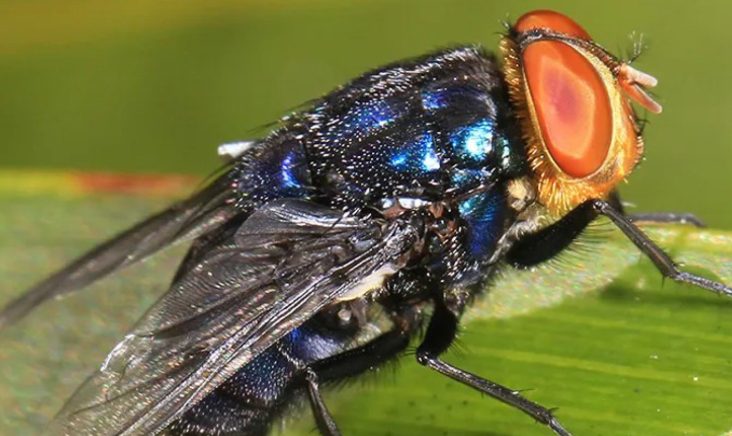
The New World Screwworm has arrived in the United States. The U.S. Department of Agriculture’s (USDA) Animal and Plant Health Inspection Service (APHIS) has confirmed the detection of the lethal parasite in two calves in Zavala County, Texas.
“While there are no detections in Arkansas at this time, livestock and animal owners should stay alert and take preventative action,” the Arkansas Department of Agriculture reported.
NWS is a dangerous parasitic fly whose maggots feed on the living tissue of warm‑blooded animals. Without quick treatment, infestations can cause severe tissue damage and can be fatal. All animals are at risk, including livestock, pets, wildlife, and less commonly, people and birds, according to the USDA.
Procedures such as branding, castration, and dehorning, as well as birthing events where navels remain open, increase the risk of infestation. Injuries caused by predators, surgical sites, and stress from transport or sale events can also create opportunities for NWS to establish in an animal.
U.S. Secretary of Agriculture Brooke L. Rollins announced Monday (June 8) that President Donald Trump has appointed John Bellinger as the new senior advisor for New World Screwworm Preparedness. In this role, Bellinger will integrate into USDA’s team to help further drive its robust effort to explore all available technologies to combat the New World Screwworm, she said.
“I want to thank John for joining our team as USDA transitions to the next phase of fighting and eradicating this pest from our borders, as we did nearly sixty years ago, yet it came back due to Biden’s failed open border policies,” Rollins said. “John’s roots in Texas where New World screwworm is at ground zero, and his private sector experience in the related food safety and cattle industries, will help the administration advance our response and protect U.S. Livestock.”
In recent years, the parasites had been detected near the U.S. and Mexico border.
The U.S.-Mexico border was first closed to live animal trade in November 2024 following a detection of New World Screwworm in Mexico and has been mostly closed since then. Between February and May 2025, when the border was briefly open, weekly feeder cattle imports from Mexico averaged 14,900 head — about 43% lower than the 2020-2024 weekly average.