
The Supply Side: Grocery business responds to GLP-1 use

The rising use of GLP-1 weight-loss drugs is reshaping consumer spending, which impacts food retailers and suppliers. About 1 in 8 U.S. consumers use drugs that reduce appetites and curb sugar cravings, resulting in 5.3% to 8% drop in spending per grocery trip, according to a Cornell University report.
Restaurant spending is also down an average of 8% within the first six months of use, the study states.
“The data show clear changes in food spending following adoption,” said Sylvia Hristakeva, co-author of the Cornell research. “After discontinuation, the effects become smaller and harder to distinguish from pre-adoption spending patterns. The main pattern is a reduction in overall food purchases.”
Unlike previous studies that relied on self-reported eating habits, the new analysis draws on purchase data collected by Numerator, a market research firm that tracks grocery and restaurant transactions for a nationally representative panel of about 150,000 households. The researchers matched the records with repeated surveys asking whether household members were taking GLP-1 drugs, when they started and why. That combination allowed researchers to compare adopters with similar households who did not use the drugs, isolating changes that occurred after medication began.
The data revealed fewer purchases of ultra-processed, calorie-dense foods. Consumers spent an average of 10% less on savory and sweet snacks, baked goods and cookies. Staples like bread, meat and eggs also declined. The categories that saw increases included yogurt, fresh fruit, nutrition bars and meat snacks.
FEWER CALORIES
Another study from the University of Arkansas’ Agricultural Experiment Station found the drugs don’t just affect how much a person eats but what they eat. Consumers on GLP-1 drugs eat about 700 fewer calories a day, and they were most likely to eliminate processed foods, sugar-sweetened beverages, refined grains and beef. Only fruit, leafy greens and water showed an overall increase in consumption, the research found.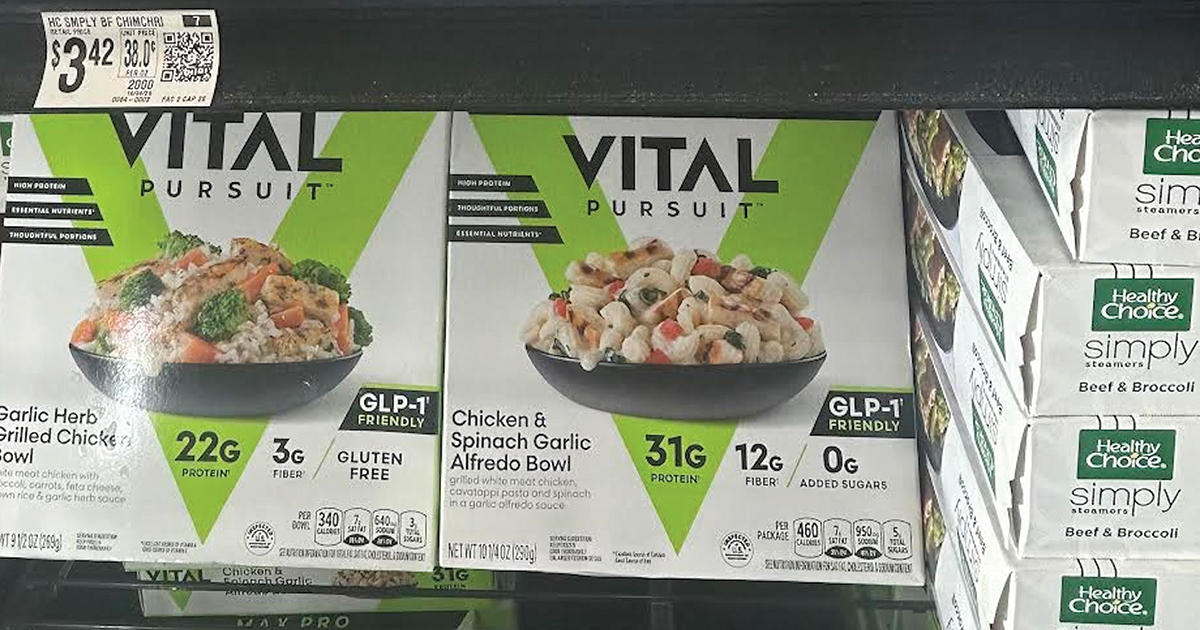
The research concludes that for food manufacturers, restaurants and retailers, widespread GLP-1 adoption could lead to long-term shifts in demand, particularly for snack foods and fast food. Package sizes, product formulations and marketing strategies may need to change.
“At current adoption rates, even relatively modest changes at the household level can have meaningful aggregate effects,” Hristakeva said. “Understanding these demand shifts is therefore important for assessing food markets and consumer spending.”
Analysts with Morgan Stanley estimate that 24 million Americans will use the weight loss drugs by 2035, posing challenges for food retailers. While food fads have been around for decades, the GLP-1 impacts don’t have consumers reducing consumption rather than trading one food for another.
Morgan Stanley notes that users consumed 20% to 30% fewer calories each day, and 65% cut their intake of sugary beverages and alcoholic drinks. The investor firm also estimates that sales of carbonated soft drinks, baked goods and salty snacks could decline 3% over the next decade. This has resulted in the explosion of prebiotic sodas like Poppi, a Texas-based startup in 2015 that was sold to PepsiCo for nearly $2 billion last year.
RETAILER RESPONSES
Retailers have said consumers are shopping more often, with smaller basket sizes, and their shift toward fresh, lean protein and less processed foods has been ongoing for several years, which makes it difficult to distinguish the exact GLP-1 impact.
Last year, Walmart said it was feeling margin pressure from the growth of GLP-1 drugs but fell short of providing any details. CEO John Furner said there is evidence that consumers taking GLP-1 drugs are buying fewer items and eating less overall. But the impact on sales is complicated to clarify as food inflation continues to escalate, pushing basket totals higher, even when they contain fewer items.
Justin Morrow, the specialty food manager at Allens Food Stores in Bella Vista, said shoppers are gravitating toward protein snacks, smaller pack sizes and food to-go. That is why the store added a fresh sushi bar last year and a fresh salad bar more recently. Morrow said consumers are taking advantage of the grab-and-go fresh foods at higher rates.
He said protein consumption is up and that could relate to several factors, including the new federal dietary pyramid that elevated protein, dairy and healthy fats and fresh green vegetables over nuts, complex carbs and whole grains. GLP-1 users also eat a higher percentage of protein and yogurt. Morrow said later this summer the store will reconfigure its protein snack area, increasing the size slightly and adding new protein snack items.
He said food vendors continue to add protein to their ingredient lists in everything from coffee to breakfast cereal, and more brands are marketing toward being GLP-1 friendly, much like the gluten-free label became prevalent in recent years.
ConAgra has unveiled a new label that identifies around two dozen of its Healthy Choice frozen meals as GLP-1 friendly. Late last year, Nestlé came out with a line of portion-controlled, protein- and fiber-rich frozen meals targeted for GLP-1 users. NielsenIQ reports that GLP-1 friendly food sales are gaining traction, with sales up 11.2% in the past 52 weeks. There is no regulation of GLP-1 friendly labels, but policymakers are discussing the issue.
PROTEIN PUSH
Grocers continue to buy into the fresh food craze, revamping whole food and protein options amid store remodels. Dollar stores have begun adding fresh foods to hundreds of stores, and Kroger is in the midst of a fresh food reset. Target and Aldi are promoting more protein snacks toward GLP-1 users and active consumers.
Johns Hopkins Center for a Livable Future reports the messaging seems to indicate that more protein is better, but not all protein is equal.
“The obsession with protein is actually driven by the perception that more protein equals better health,” notes Daphene Altema-Johnson, a Johns Hopkins registered dietitian and senior program officer.
She said protein comes in different forms, with different nutrient profiles and long-term health implications. She said consumers should diversify protein sources and eat more fiber-rich foods, which many Americans need more of in their diets.
The Cleveland Clinic notes that consumers who take GLP-1 tend to reach for foods like leafy greens, apples and tomatoes as well as lean protein, which also keeps the body from losing muscle instead of fat. Fiber is required to combat constipation that GLP-1 can cause. GLP-1 users are told to limit juice, soda, candy and desserts, refined carbs like white rice and white bread, packaged foods like snacks and high-fat foods like pizza and fried chicken.
Editor’s note: The Supply Side section of Talk Business & Politics focuses on the companies, organizations, issues and individuals engaged in providing products and services to retailers. The Supply Side is managed by Talk Business & Politics.