
The Supply Side: Retail store traffic weakens in the second quarter
by September 5, 2025 9:55 am 935 views

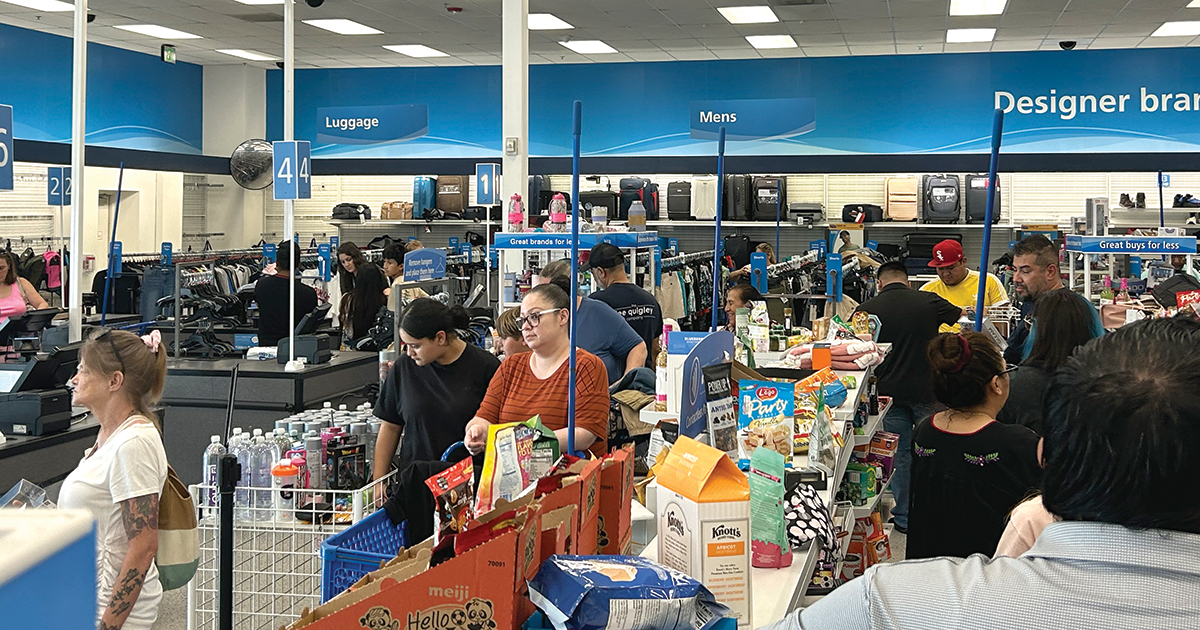
Consumers have been shopping less often in brick-and-mortar store locations since late April, which was the last month with growth in weekly visits across overall retail, according to Placer.ai. April also marks the beginning of the second quarter for many retailers.
R.J. Hottovy, head of analytical research at Placer.ai, said 2025 is shaping up to be the most interesting year in retail since the 2008 Great Recession, excluding the pandemic years of 2020 to 2021.
In a recent webinar with Coresight Research, he said the story changes each week in terms of how much and where consumers are shopping for basics and non-discretionary purchases.
Consumer visits to retail stores continue to be impacted by growth in online sales and constrained budgets from sustained inflationary prices on goods and services, which has widened the difference among household income levels and spending patterns, according to Coresight Research.
Placer.ai reports weekly retail visits were positive in April, averaging 3.5% growth from the same period a year ago. In early May, weekly visits remained slightly positive before turning negative by mid-month. Between May 19 and June 30, weekly visit counts were down by an average of 1.4% from a year ago, with the largest declines in the weeks of June 9 and June 30.
 The July data was much the same, with average weekly visits down an average of 1.5% through the first three weeks of the month.
Deborah Weinswig, CEO of Coresight Research, said households earning between $50,000 and $100,000 have reduced spending. She said households earning over $100,000 to $150,000 are looking for bargains, taking more time to consider non-discretionary purchases, and are trading down in terms of brand and price.
Weinswig said the biggest winners from consumers trading down on essentials are Walmart, clubs like Sam’s and Costco, and even the dollar stores. Hottovy said consumers did a lot of trading with retailers in 2024 with higher inflation, but with half of 2025 already complete, most seem to be settling into patterns with retailers that fit their lifestyle needs.
“Even with the more loyal consumers today, it’s still a challenge to get shoppers in the door despite offering deals and promotions,” he said.
PRIME IMPACT
Amazon’s summer Prime sales event, along with Walmart and other retailers offering similar promotions online, got more consumers shopping over the week-long events. Hottovy said before 2025 the Amazon Prime event also bolstered store traffic for competitors as shoppers who could not get the deal they wanted online checked out their local stores for comparable values. This year, he said, it’s a mixed bag.
Walmart and Best Buy offered their deals, and each saw year-over-year gains compared to year-ago results. Hottovy said Walmart and Best Buy can use the buy online, pickup in store options not available to Amazon. He said Dick’s Sporting Goods also benefited from better traffic numbers that week because of the omnichannel option they offer. He said Target, Kohl’s and Dollar General also did marketing around Prime week, with mixed store visit results.
Placer.ai data shows Walmart saw 8.9% more daily visits during the Prime week event compared to event days in 2024. Best Buy picked up 6.4% more daily visits compared to the prior-year period. Target saw 7% fewer visits that week compared to a year ago, Kohl’s daily visits were down 3.1%, and Dollar General’s daily visits plunged 13.1% compared to the sales event days in 2024.
Weinswig said Coresight data also indicated Walmart, Dick’s Sporting Goods and Ulta were the biggest winners from Prime week.
“These retailers have strong identities, and they each leaned in with their own messages,” she said. “They know who they are, who they serve, and they benefited.”
Weinswig estimates that 25% of consumers were on vacation during Prime week held July 8-11. She said when July 4 falls on a Friday, people often take off the following week, which this year also coincided with the Prime events.
“Target’s messaging was off and even confusing for me, and I know that retailer quite well,” Weinswig said. “Some retailers misread the tea leaves for what and when to advertise their sales events. This just benefited those who were thoughtful about the timing and importance of value for their customers.”
PULL FORWARD
Hottovy and Weinswig say consumers likely bought electronics ahead of tariffs, and that could hurt holiday spending in that category. Placer.ai found electronic sales were dismal to start the year, but visits to the stores began to increase in March and have stayed positive through the second quarter as those who need to replace or add to their electronics want to while retailers have the inventory at pre-tariff prices. The same was true for the apparel and home furnishings segments.
Weinswig said consumers will show up for holiday shopping, but they will look for promotions. She expects some consumers will purchase gifts early, fearing they may cost more if they wait.
Hottovy said there will be another Prime event in October, and the holiday spending will continue to pull forward for some items. He expects consumers to remain price-sensitive and lower-income families to have to make tough choices.
“For better or worse, the higher-end consumers become the bigger driver of spending and visitation for holidays,” he said. “If the job market holds up and the asset markets stay positive, we could end up with a fairly solid holiday period. But if we start to see more turbulence for those particular asset classes, then we could be looking at something a little weaker. We will see an earlier holiday, probably earlier than before, because of the tariff variables.”
Editor’s note: The Supply Side section of Talk Business & Politics focuses on the companies, organizations, issues and individuals engaged in providing products and services to retailers. The Supply Side is managed by Talk Business & Politics, and is sponsored by HRG.